Cart
0
Precious Carbon Editorial Team
Diamond Jewelry Expert
Diamonds can be confusing, but understanding them doesn’t have to be. With over 20 years of combined experience, our Editorial Team shares clear, honest, and easy-to-understand information about diamonds. We use our real industry knowledge to help you understand what you’re buying, make confident decisions, and find the right diamond for you, without all the complicated jargon.
Published Articles
Latest from Precious Carbon Editorial Team
Do Lab-Grown Diamonds Hold Their Value? (Honest Answer)
No. Retail prices for new 1 carat stones have dropped more than 76% since 2020, there is virtually no resale market, and lab-grown diamonds don't have the sa...
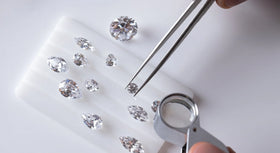
Design Your Custom Diamond Wedding Ring in 3D: From Idea to Reality
You have the most perfect-looking diamond wedding ring in mind, but you can’t find it online or at stores. Either the band is too thick, the setting feel...
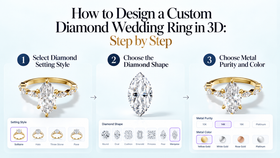
Diamond Clarity Explained: VVS vs VS vs SI
In the diamond industry, all these terms are well-known and people ask what is VVS vs VS vs SI clarity?. It’s important for you to understand the essence of...
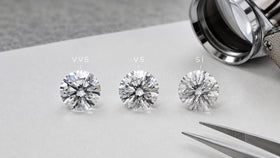
Ring Size Chart + How to Measure Your Ring Size at Home
The average ring size in the US is 6 to 6.5 for women and 9 to 10 for men. And, if you’re planning to buy an engagement ring, wedding band or a gift, getting...
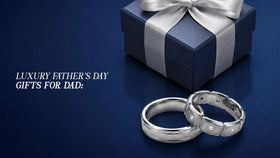
Luxury Father's Day Gifts for Dad: Diamond Jewelry He'll Actually Wear
Father's Day comes once a year, and for the man who has given so much, a gift card or a tie simply won't cut it. Luxury jewelry is quietly becoming one of th...
round
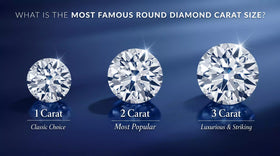
What is the Most Famous Round Diamond Carat Size?
The 1-carat round diamond is the most famous and widely purchased diamond size in the US, significant enough to be considered a statement, yet available acro...
halo
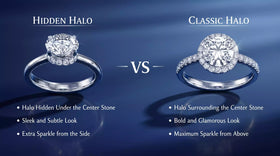
Hidden Halo vs Classic Halo
A classic halo frames the center diamond visibly at the same level, making the ring appear bolder and larger. A hidden halo is set beneath the diamond's gird...
halo
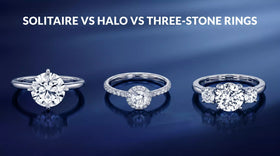
Solitaire vs Halo vs Three-Stone Rings
A solitaire features one diamond on a simple band, timeless, clean, and lets the stone speak for itself. A halo surrounds the center stone with accent diamon...
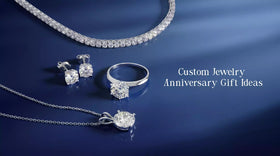
Custom Jewelry Anniversary Gift Ideas
The most popular custom anniversary jewelry gifts are engraved diamond bands, personalized pendants, eternity rings, and redesigned heirloom pieces. For mile...
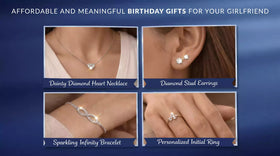
Affordable Birthday Gifts for Your Girlfriend
Diamond stud earrings are the most popular and practical birthday jewelry gift, classic, everyday-wearable, and available in lab-grown options that deliver m...
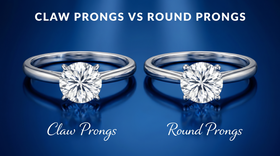
Claw Prongs vs Round Prongs
The majority of individuals who opt for an engagement ring concentrate mainly on the four significant characteristics - cut, color, clarity, and carat weight...
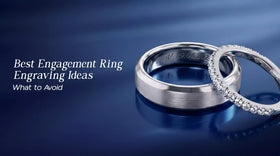
Best Engagement Ring Engraving Ideas (+ What to Avoid)
The most meaningful ring engravings are wedding dates, initials, coordinates, and short private phrases. Classic choices like "Forever Yours" and "Always &am...
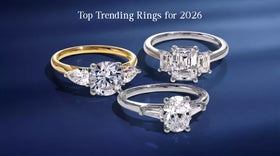
Top Trending Rings for 2026
The top engagement ring trends in the US for 2026 are oval solitaires, hidden halo engagement ring settings, vintage-inspired designs, and lab-grown diamond ...
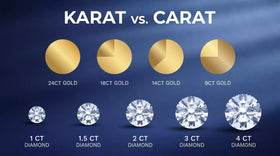
Carats vs Karats: What's the Real Difference?
Carat and karat measure two completely different things. Carat (ct) measures diamond and gemstone weight - one carat equals 0.2 grams. Karat (k or kt) measur...
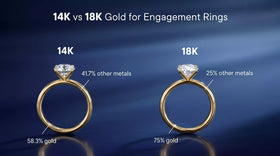
14K vs 18K Gold for Engagement Rings
14K gold (58.3% pure) is more durable, scratch-resistant, and better suited to daily wear, making it the most popular choice for US engagement rings. 18K gol...
Online Diamond Shopping vs Local Store Shopping
Online diamond retailers offer lower prices due to reduced overhead, wider selection, and direct access to certified stones with full grading reports. Local ...
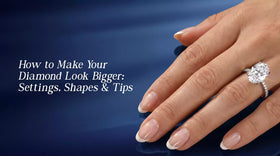
How to Make Your Diamond Look Bigger: Settings, Shapes & Tips
To make a diamond look bigger, choose an elongated shape (oval, pear, or marquise), which faces up 10–15% larger than a round diamond of equal carat weight. ...
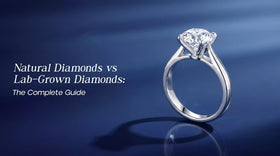
Natural Diamonds vs Lab-Grown Diamonds: The Complete Guide
Natural and lab-grown diamonds are chemically identical, same carbon structure, same hardness (10 Mohs), same GIA/IGI certification. Natural diamonds form ov...
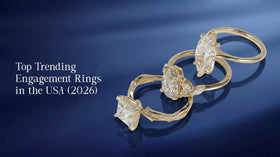
Top Trending Engagement Rings in the USA (2026)
The top engagement ring trends in the US for 2026 are oval solitaires, hidden halo settings, vintage-inspired designs with milgrain detail, and lab-grown dia...
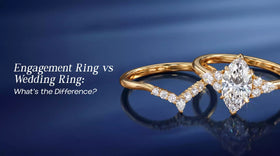
Engagement Ring vs Wedding Ring: What's the Difference?
An engagement ring is given at the time of the proposal, typically featuring a center diamond or gemstone. A wedding ring (or wedding band) is exchanged duri...
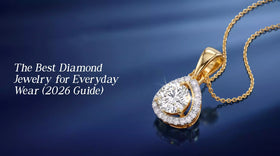
The Best Diamond Jewelry for Everyday Wear (2026 Guide)
The best diamond jewelry for daily wear combines secure settings, durable metals, and low-profile designs. Top picks include bezel-set diamond stud earrings,...
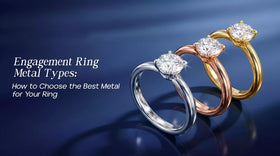
Engagement Ring Metal Types: How to Choose the Best Metal for Your Ring
The main engagement ring metals are platinum, white gold, yellow gold, and rose gold. Platinum is the most durable and naturally white, with no replating req...
Have a Question Our Team Can Help With?
Whether you're choosing your first diamond or comparing two grading reports, our team is here. No pressure, no sales script. Just honest answers from people who truly know diamonds.