Cart
0

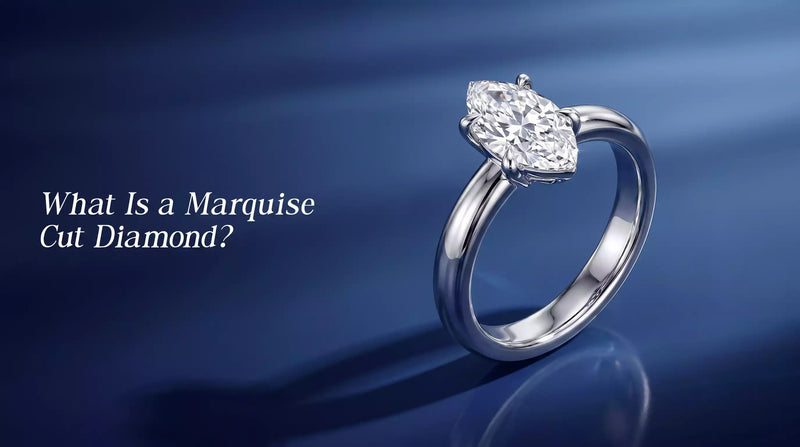
Marquise Cut Diamonds: The Complete Guide
A marquise cut diamond has an elongated elliptical shape with pointed ends at both sides, one of the oldest diamond cuts, developed...
We're here to guide you—just tap to call and speak with our team instantly.

We're having trouble loading reviews right now.
A marquise cut diamond has an elongated elliptical shape with pointed ends at both sides, one of the oldest diamond cuts, developed...
A 2 carat lab-grown diamond price starts at $500 and usually runs $560 to $3110. On the other hand, a 3 carat...
Lab-grown diamonds are having a moment everywhere in your beautiful lives. Before you buy one, it's worth knowing what they actually cost...
Marquise lab grown diamonds are elongated with pointed ends and offer the largest surface area per carat of any shape, so they look biggest for the weight. IGI certified and 50% off, they elongate the finger. Protect both points and watch for a bow-tie.
The phrase Marquise originates from the French court. Louis XV commissioned the cut in the 1740s, requesting a stone in the likeness of his mistress, the Marquise de Pompadour's smile.
It's also known as a navette, meaning "little boat" in French, named after its shape having two curving sides that meet at a point on either end.
A marquise lab produced diamond retains that relationship. Regal, slightly dramatic, and chosen for just that.
Yes, more than any other shape. It's the marquise's whole argument.
A brilliant-cut interior spread across a long, shallow outline means very little weight hides in depth. Almost all of it faces up.
As a result, a marquise seems significantly bigger than a round of identical weight, while also lengthening the fingers. If the greatest size per dollar is important, nothing tops it.
Three things, none of which appear on the grading report:
The best length-to-width ratio is between 1.85 to 2.10. Below that it looks squat; above it gets very narrow and the points grow more fragile.
Two points, both thin, both exposed. Each needs a V-prong, shaped to wrap the tip rather than sit beside it.
Same requirement as a pear, doubled. Avoid any setting that grips the curved sides and leaves the tips bare.
The price of most 1 carat marquises runs between $250 to $800, and it depends on color, clarity and cut.
Compared to a round cut lab grown diamond, a marquise cut lab grown diamond costs less per carat. Those two effects compound, which is why this shape stretches a budget further than any other here.
Well-cut natural marquises are scarce, cutters won't lose weight from expensive rough on such a demanding outline. Lab-grown removes that constraint.
The supply side of this trade was the business for two decades. Retail came later, and the prices carry that history.
Every marquise lab grown diamond is IGI or GIA certified against the 4Cs, we also ship free, and offer the best return policy within 30 days. Comparing cuts? See the diamond shape guide or browse natural marquises.
Gift With Purchase
Spend $1,000
for a FREE gift with purchase
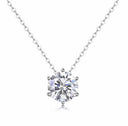
1 Carat round Moissanite Pendant in 925 Silver with Chain
Spend $2,500+
1 Carat round Moissanite Pendant in 925 Silver with Chain + 1 Lab Diamond Stud Earrings (1/2 ct. tw.)
Moissanite Pendant
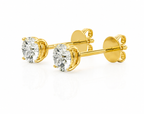
Lab Diamond Stud
50% OFF Lab Diamonds
Spend $400 or more on Lab Diamonds and get 50% OFF automatically at checkout.
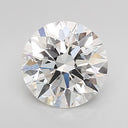
Lab Grown Diamonds
20% OFF Settings

Settings
Complete Your Bridal Set
Buy an engagement ring and get 15% off a matching wedding band.
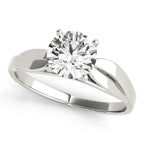
Engagement Ring
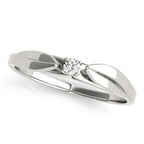
Wedding Band
15% OFF On Matching Band