Cart
0

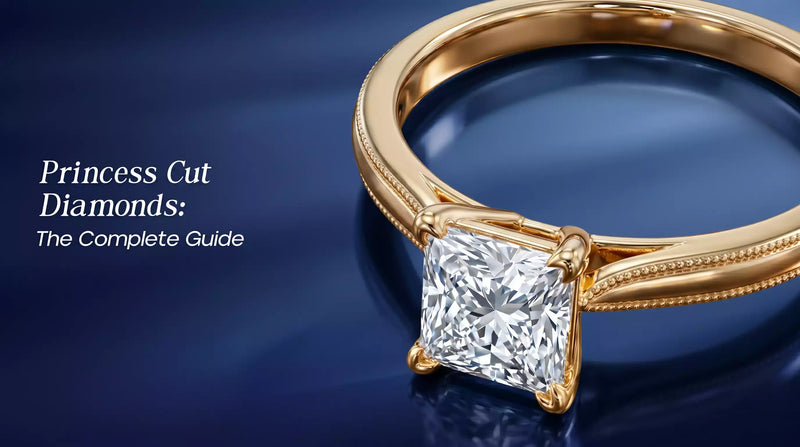
Princess Cut Diamonds: The Complete Guide
A princess cut diamond is a square brilliant-cut with sharp, uncut corners and a modified facet structure that produces strong sparkle, the...
We're here to guide you—just tap to call and speak with our team instantly.

We're having trouble loading reviews right now.
A princess cut diamond is a square brilliant-cut with sharp, uncut corners and a modified facet structure that produces strong sparkle, the...
A 2 carat lab-grown diamond price starts at $500 and usually runs $560 to $3110. On the other hand, a 3 carat...
Lab-grown diamonds are having a moment everywhere in your beautiful lives. Before you buy one, it's worth knowing what they actually cost...
Princess cut lab grown diamonds are square and modern, the second most brilliant shape after round, and better value per carat. IGI certified and 50% off, they suit contemporary settings. Protect the corners with prongs or a bezel.
This cut is one of the youngest diamond shapes, designed in the 1980s, while others are centuries old. That newness shows: lab grown princess cut diamonds look modern in a way an emerald or cushion never quite does.
Square from above, inverted-pyramid from the side, with brilliant faceting inside a hard-edged outline. Sparkle close to a round's, delivered in straight lines.
Four sharp corners come with that geometry, the shape's signature and its one vulnerability.
Yes, princess cut diamonds are typically more affordable than round diamonds of comparable carat weight and quality, often costing around 10–20% less.
Diamond rough forms roughly octahedral, two pyramids base to base. A princess follows that geometry almost exactly, so about 80% of the crystal survives cutting. A round keeps closer to 40%.
You pay for waste either way. There's just less of it here, so expect meaningfully less per carat than a round of matching grade.
Corners are where lab grown princess cut diamonds chip. The metal has to cover them. Two approaches work:
What doesn't work is a four-prong setting gripping the mid-edges and leaving the corners bare. It looks clean and it's asking for trouble.
VS to SI is the range that makes sense here. Lab grown princess cut diamonds are brilliant cuts, so the faceting scatters light and breaks up the view of anything inside. Small inclusions that would be obvious in a step cut simply disappear.
One place to look closely: inclusions at or near a corner. A feather there isn't just cosmetic, it's a weak point in the spot already most at risk. Check the certificate plot. For color, G–H holds up in white metal, and yellow gold lets you go lower.
Lab grown princess cut diamonds suit modern, architectural designs. They fight vintage settings, where soft outlines dominate.
Twenty years of wholesale supply came before we sold anything direct. Prices here still carry that.
At Precious Carbon, we offer IGI or GIA certified princess cut lab grown diamonds, graded on the 4Cs. Plus, we offer free shipping both ways, and 30 days to decide. Weighing up shapes? Our diamond shape guide compares them side by side, and natural princess cuts are here too.
Gift With Purchase
Spend $1,000
for a FREE gift with purchase
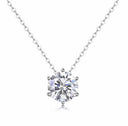
1 Carat round Moissanite Pendant in 925 Silver with Chain
Spend $2,500+
1 Carat round Moissanite Pendant in 925 Silver with Chain + 1 Lab Diamond Stud Earrings (1/2 ct. tw.)
Moissanite Pendant
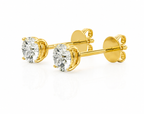
Lab Diamond Stud
50% OFF Lab Diamonds
Spend $400 or more on Lab Diamonds and get 50% OFF automatically at checkout.
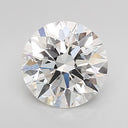
Lab Grown Diamonds
20% OFF Settings

Settings
Complete Your Bridal Set
Buy an engagement ring and get 15% off a matching wedding band.
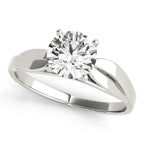
Engagement Ring
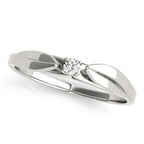
Wedding Band
15% OFF On Matching Band