Cart
0
Diamond Jewelry Guide: How to Choose the Perfect Piece for Every Occasion
Diamond jewelry is more than an accessory - it's a celebration of life's meaningful moments. Whether you're treating yourself, surprising a loved one, or marking a milestone, the right piece of diamond jewelry becomes a treasured keepsake for generations. But with so many options, earrings, pendants, bracelets, wedding bands - how do you choose? What makes one piece worth the investment while another falls short? This guide walks you through everything you need to know about selecting diamond jewelry. From understanding quality factors to choosing the right style for your lifestyle, you'll have the knowledge to shop with confidence and find pieces you'll love forever.
How to Evaluate Diamond Jewelry Quality
Before diving into specific jewelry types, let's cover the fundamentals of evaluating quality. The same principles that apply to engagement ring diamonds apply to all diamond jewelry, with a few practical differences.
The 4Cs Still Matter (But Differently)
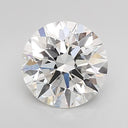
Cut: Always prioritize excellent cut for maximum sparkle. This is non-negotiable for any diamond jewelry.Color: For smaller diamonds (under 0.50 ct), you can go lower on color (I–J) without noticing. For larger center stones, stay in the G–H range.
Clarity: Small accent diamonds are almost always eye-clean at SI1–SI2. For larger focal stones, VS2 or better ensures no visible inclusions.
Carat: In jewelry, "total carat weight" (TCW) matters — this is the combined weight of all diamonds in the piece.

Metal Quality
| Metal | Purity | Characteristics |
|---|---|---|
| Platinum | 95% pure | Most durable; naturally white; hypoallergenic; premium price |
| 18K White Gold | 75% gold | Bright white (rhodium-plated); excellent durability |
| 14K White Gold | 58.3% gold | Good durability; more affordable; may need replating |
| 18K Yellow Gold | 75% gold | Classic warm tone; complements warmer skin tones |
| 14K Yellow Gold | 58.3% gold | Traditional look; excellent value |
| 18K Rose Gold | 75% gold | Romantic pink hue; very trendy |
| 14K Rose Gold | 58.3% gold | Affordable warmth; flattering on most skin tones |
Craftsmanship Indicators
Look for these signs of quality construction:
Secure settings: Prongs should be uniform and tightly hold diamonds
Smooth finishing: No rough edges or visible tool marks
Proper weight: Quality jewelry has a substantial feel, not flimsy
Hallmarks: Stamps indicating metal purity (750 for 18K, 585 for 14K, 950 for platinum)

Diamond Earrings: Styles, Settings, and Sizing
Diamond earrings are the most versatile jewelry investment you can make. They frame your face, catch light beautifully, and work for both everyday wear and special occasions.
Popular Diamond Earring Styles
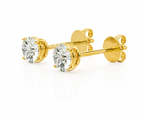
Diamond Studs: The essential starting point for any jewelry collection. Classic, timeless, and appropriate for every occasion from boardrooms to black-tie events.
Best for: Everyday wear, professional settings, gift-giving
Popular sizes: 0.50 TCW to 2.00 TCW
Settings: 4-prong (maximum sparkle) or bezel (sleek, modern)
Halo Earrings: A center diamond surrounded by a ring of smaller diamonds, creating the appearance of a much larger stone.
Best for: Maximum impact on a budget, special occasions
Popular sizes: 0.75 TCW to 1.50 TCW (appears larger)
Bonus: The halo adds sparkle and perceived size
Drop Earrings: Diamonds that hang below the earlobe, adding movement and elegance.
Best for: Formal events, evening wear, weddings
Styles: Simple drops, chandelier, linear drops
Length: Ranges from subtle (1 inch) to dramatic (3+ inches)
Hoop Earrings: Circular earrings set with diamonds, available in various diameters.
Best for: Versatile day-to-night wear
Styles: Inside-out (diamonds on both sides), front-facing, huggie hoops
Popular sizes: 15mm (huggie) to 50mm (statement)
Choosing the Right Size
Diamond stud size depends on personal preference, face shape, and budget:
| Total Carat Weight | Approximate Diameter | Visual Impact |
|---|---|---|
| 0.25 TCW | 3.0 mm each | Subtle, delicate |
| 0.50 TCW | 4.0 mm each | Classic everyday size |
| 0.75 TCW | 4.5 mm each | Noticeable but not overpowering |
| 1.00 TCW | 5.0 mm each | Popular gift size; elegant presence |
| 1.50 TCW | 5.7 mm each | Statement size catches attention |
| 2.00 TCW | 6.2 mm each | Impressive; special occasions |
Pro tip: For petite faces, stay under 1.00 TCW for everyday wear. Larger faces can carry 1.50 TCW+ beautifully.
Earring Settings and Backs
Settings:
4-prong: Maximum light entry; most sparkle; classic look
3-prong: Modern, minimalist; great for small diamonds
Bezel: Metal rim surrounds diamond; sleek, secure, modern
Martini: Cone-shaped setting; sits close to the ear; very secure
Backs:
Push backs: Standard; easy on/off; suitable for most earrings
Screw backs: More secure; recommended for valuable studs
La Pousette: Premium friction backs; very secure; easy to use
Lever backs: For drop/dangle styles; secure closure
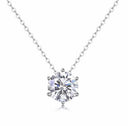
Diamond Pendants: Finding Your Perfect Necklace
A diamond pendant draws the eye and adds elegance to any neckline. From simple solitaires to elaborate designs, there's a pendant for every style and occasion.
Popular Diamond Pendant Styles
Solitaire Pendants
A single diamond, the most classic and versatile choice. The diamond is the star, with minimal metal visible.
Best for: Everyday elegance, layering, timeless style
Popular sizes: 0.25 ct to 1.00 ct
Settings: 4-prong, bezel, or basket
Halo Pendants
A center diamond encircled by smaller diamonds for maximum sparkle and visual size.
Best for: Making a statement, special occasions
Popular sizes: 0.50 ct center and up
Bonus: Appears 20-30% larger than actual carat weight
Three-Stone Pendants
Represent the past, present, and future, a meaningful choice for anniversaries or milestones.
Best for: Anniversary gifts, romantic occasions
Variations: Equal-sized stones or graduated sizes
Journey Pendants
Diamonds arranged in a line or curve, representing life's journey.
Best for: Milestone celebrations, graduations, promotions
Style: Diamonds graduate in size from small to large
Heart Pendants
Romantic heart-shaped diamonds or heart-shaped arrangements.
Best for: Valentine's Day, romantic gifts
Note: Choose well-cut hearts with good symmetry
Initial/Letter Pendants
Represent the past, present, and future, a meaningful choice for anniversaries or milestones.
Best for: Anniversary gifts, romantic occasions
Variations: Equal-sized stones or graduated sizes
Choosing Chain Length
The right chain length affects how your pendant falls:
| Length | Where It Falls | Best For |
|---|---|---|
| 16 inches | At the collarbone | Choker look; petite frames |
| 18 inches | Just below the collarbone | Most popular; works for most necklines |
| 20 inches | Above the bust | Versatile; slightly lower necklines |
| 22 inches | At the bust line | Longer look; V-necks and lower cuts |
| 24+ inches | Below the bust | Statement length; layering |
Pro tip: If you're between sizes, go longer—you can always adjust with a chain shortener, but you can't lengthen.
Chain Styles
Cable chain: Classic links; durable; most common
Box chain: Square links; modern; sturdy
Rope chain: Twisted design; elegant; catches light
Singapore chain: Twisted, fluid look; delicate appearance
Wheat chain: Woven look; excellent durability
Diamond Bracelets: From Tennis Bracelets to Bangles
Diamond bracelets add sophisticated sparkle to your wrist. Whether you prefer subtle elegance or showstopping glamour, there's a style to match your personality.
Popular Diamond Bracelet Styles
Tennis Bracelets The iconic diamond bracelet: a continuous line of individually set diamonds encircling the wrist. Named after tennis star Chris Evert, who famously stopped a match to retrieve hers.
Best for: Timeless elegance, everyday luxury, special occasions
Popular TCW: 3.00 to 10.00 carats
Settings: 4-prong (most sparkle), bezel (modern, secure), channel (sleek)

Bangle Bracelets
Rigid circular bracelets, either solid or featuring diamonds along the surface.
Best for: Stacking, statement wear, structured style
Styles: Full diamond, half diamond, diamond accents
Fit: Should slip over the hand with slight resistance
Cuff Bracelets
Open-ended, rigid bracelets with diamonds set into the design.
Best for: Bold statements, modern style
Advantage: Adjustable fit; no clasp needed
Styles: Wide cuffs, slim cuffs, diamond-studded
Chain Bracelets
Flexible link bracelets with diamond stations or pendants.
Best for: Comfortable everyday wear, layering
Styles: Diamond-by-the-yard, station bracelets, charm bracelets
Bar Bracelets
A horizontal bar of diamonds connected by delicate chains.
Best for: Minimalist style, everyday elegance
Modern appeal: Clean lines, understated sparkle
Tennis Bracelet Buying Guide
Tennis bracelets are significant investments. Here's how to choose wisely:
Carat weight:
| TCW | Visual Impact | Price Range |
|---|---|---|
| 2.00-3.00 ct | Delicate, subtle | Entry-level |
| 4.00-5.00 ct | Noticeable, elegant | Mid-range |
| 6.00-8.00 ct | Statement, impressive | Premium |
| 10.00+ ct | Show-stopping | Luxury |
Diamond quality for tennis bracelets:
Cut: Very Good or Excellent, sparkle matters most
Color: G-H is ideal; I-J is acceptable for the budget
Clarity: SI1-SI2 is fine—small diamonds are naturally eye-clean
Settings:
4-prong: Maximum light; most brilliance; classic look
Shared prong: Less metal visible; continuous sparkle
Bezel: Most secure; modern aesthetic; slightly less sparkle
Channel: Diamonds set between metal rails; sleek and protected
Clasp security: Look for bracelets with safety latches, a secondary catch that prevents accidental opening. For high-value tennis bracelets, a hidden safety clasp is essential.

Women's Wedding Bands: Styles to Complement Your Engagement Ring
Your wedding band is a symbol of your commitment—worn every day for the rest of your life. Choosing one that complements your engagement ring while matching your personal style is essential.
Popular Women's Wedding Band Styles
Eternity Bands: Diamonds encircle the entire band, symbolizing never-ending love.
Best for: Maximum sparkle, romantic symbolismConsiderations: Cannot be resized; must be sized precisely
Variations: Full eternity (all around) or half eternity (top half only)
Half Eternity Bands: Diamonds cover the top half of the band (the visible portion when worn).
Best for: Comfort, practicality, budget-conscious buyers
Advantage: Can be resized if needed
Popular choice: Best of both worlds—sparkle where it shows
Pavé Bands: Tiny diamonds set closely together, creating a surface of continuous sparkle.
Best for: Delicate, feminine look; complements most engagement rings
Settings: Micro-pavé (very small) or French pavé (slightly larger)
Channel-Set Bands: Diamonds set between two parallel metal walls for a sleek, modern look.
Best for: Active lifestyles; secure setting; contemporary style
Advantage: Diamonds are protected; smooth edges won't snag
Shared Prong Bands: Diamonds share prongs between them, allowing maximum light entry.
Best for: Maximum brilliance; continuous sparkle effect
Look: Similar to eternity but with less visible metal
Curved/Contour Bands: Shaped to fit around your engagement ring's center stone.
Best for: Engagement rings with large or uniquely shaped center stones
Custom option: Can be custom-made to match your exact ring
Plain Bands with Diamond Accents: Classic metal bands with subtle diamond details.
Best for: Understated elegance, minimalist style
Variations: Single diamond, scattered diamonds, hidden diamonds inside the band
Matching Your Engagement Ring
Metal matching: Your wedding band should match your engagement ring's metal for a cohesive look. Mixing metals is a modern choice but requires intentional styling.
Width considerations:
Thin engagement ring band: Choose a thin wedding band (1.5-2mm)
Medium engagement ring band: Match with a medium band (2-3mm)
Wide engagement ring band: Consider a thinner band to avoid bulk
Height matching: If your engagement ring sits high, consider a curved band that fits underneath. If it sits low, most bands will work.
Style harmony:
Vintage engagement ring → Vintage-inspired band with milgrain or engraving
Modern engagement ring → Clean, contemporary band
Halo engagement ring → Delicate pavé or plain band
Solitaire engagement ring → Almost any style works
Wedding Band Width Guide
| Width | Look | Best For |
|---|---|---|
| 1.5 mm | Very delicate | Stacking, petite fingers |
| 2 mm | Delicate | Most popular; feminine |
| 2.5 mm | Classic | Versatile; balanced |
| 3 mm | Substantial | Makes a statement |
| 4 mm+ | Bold | Modern, fashion-forward |
Caring for Your Diamond Jewelry
Diamond jewelry is durable but still requires care to maintain its brilliance over time.
Daily Care Tips
Diamond jewelry is durable but still requires care to maintain its brilliance over time.
Remove before activities: Take off jewelry before exercising, swimming, cleaning, or gardening
Put on last: Apply makeup, lotion, and perfume before putting on jewelry
Store separately: Diamonds can scratch other jewelry—use individual pouches or compartments
Avoid chemicals: Chlorine, bleach, and harsh chemicals can damage settings
When to Get a Professional Inspection
Loose diamonds (they spin or rattle)
Bent or worn prongs
Scratches on metal
Missing accent stones
Clasp issues
Cleaning & Inspection
At home (weekly):
Mix warm water with a few drops of mild dish soap
Soak jewelry for 15-20 minutes
Gently brush with a soft toothbrush (especially behind diamonds)
Rinse thoroughly under warm running water
Pat dry with a lint-free cloth
Professional cleaning (every 6-12 months):
Ultrasonic cleaning removes buildup you can't reach
Steam cleaning restores brilliance
Jewelers can check settings and tighten prongs
Frequently Asked Questions About Diamond Jewelry
What carat size is best for diamond stud earrings?
For everyday wear, 0.50 to 1.00 total carat weight (TCW) is most popular, noticeable but not overwhelming. For special occasions or statement earrings, 1.50 to 2.00 TCW makes a beautiful impact. Consider your face size, personal style, and how often you'll wear them when deciding.
Are lab-grown diamonds good for jewelry?
Absolutely. Lab-grown diamonds are chemically identical to natural diamonds, with the same sparkle, same durability, and same beauty. They cost significantly less, allowing you to get larger or higher-quality stones for your budget. Many of our most stunning jewelry pieces feature lab-grown diamonds.
How do I choose between white gold and platinum?
Platinum is more durable and naturally hypoallergenic, but costs more. White gold offers a similar appearance at a lower price point but requires occasional rhodium replating to maintain its bright white color. For everyday jewelry, both are excellent choices - it often comes down to budget.
Can I wear my tennis bracelet every day?
Yes, tennis bracelets are designed for daily wear. Choose a secure setting (bezel or channel for active lifestyles) and a clasp with a safety catch. Remove it for activities that might cause damage (heavy lifting, gardening) and have it inspected annually.
Should my wedding band match my engagement ring exactly?
They don't need to match exactly, but they should complement each other. The same metal type is recommended. Consider whether you want them to sit flush together or be worn separately on occasion. Many brides choose bands that echo their engagement ring's style without being identical.
How much should I spend on diamond jewelry?
There's no rule - spend what feels comfortable for you. Focus on quality over size (well-cut diamonds always look better) and buy from reputable retailers. Diamond jewelry is an investment that lasts generations, so prioritize craftsmanship and materials that will hold up over time.
What's the best diamond jewelry gift?
Diamond studs are the most universally loved gift - they suit any style, age, or occasion. For romantic gifts, pendants (especially solitaires) are timeless. Tennis bracelets make stunning milestone gifts for anniversaries or major achievements. When in doubt, classic styles never disappoint.
Find Your Perfect Diamond Jewelry
Whether you're shopping for diamond earrings, a pendant to cherish, a bracelet that sparkles, or a wedding band to symbolize your love, we're here to help you find pieces that bring joy for years to come. Our jewelry experts can guide you through options, answer questions, and help you discover pieces that match your style and budget perfectly.