Cart
0

Round and oval are the two most popular diamond shapes in the US. Round brilliants (57-58 facets) produce the highest light return of any cut, the global benchmark for sparkle. Oval diamonds use a similar facet structure in an elongated shape that faces up 10-15% larger per carat and visually elongates the finger. Round diamonds cost more due to higher cutting waste. Ovals may show a "bowtie" shadow across the center. Check each stone individually before purchasing.
Round diamond or Oval? Which one is the way to go for your next piece of jewelry? This is the one question that a lot of buyers get stuck on. And justifiably so, both are similar in shape, highly popular, and classics in the diamond world.
Yet, the question persists because of those little differences that people often overlook, in terms of style, sparkle, size, appearance, and even price. Indecisive about which one suits you? Precious Carbon has you covered.
We have been helping couples find their perfect diamond for years. So, if you want a lab-grown oval solitaire or a classic round halo ring, we will help you out in that choice based on your unique style and budget.
Let’s move on to the deciding factors now, to make your choice easier.
1. Shape & Style: The Visual Differences

-
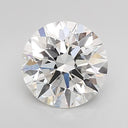
Round diamonds are symmetrical, circular, and considered the “classic” shape. That is why they have sustained the position of the most popular choice for engagement rings for over centuries.
-
Oval diamonds are an elongated version of the round shape. They are traditional, with just a slight touch of modernism to keep them from turning boring.
Round is timeless. Oval is trendy yet elegant.
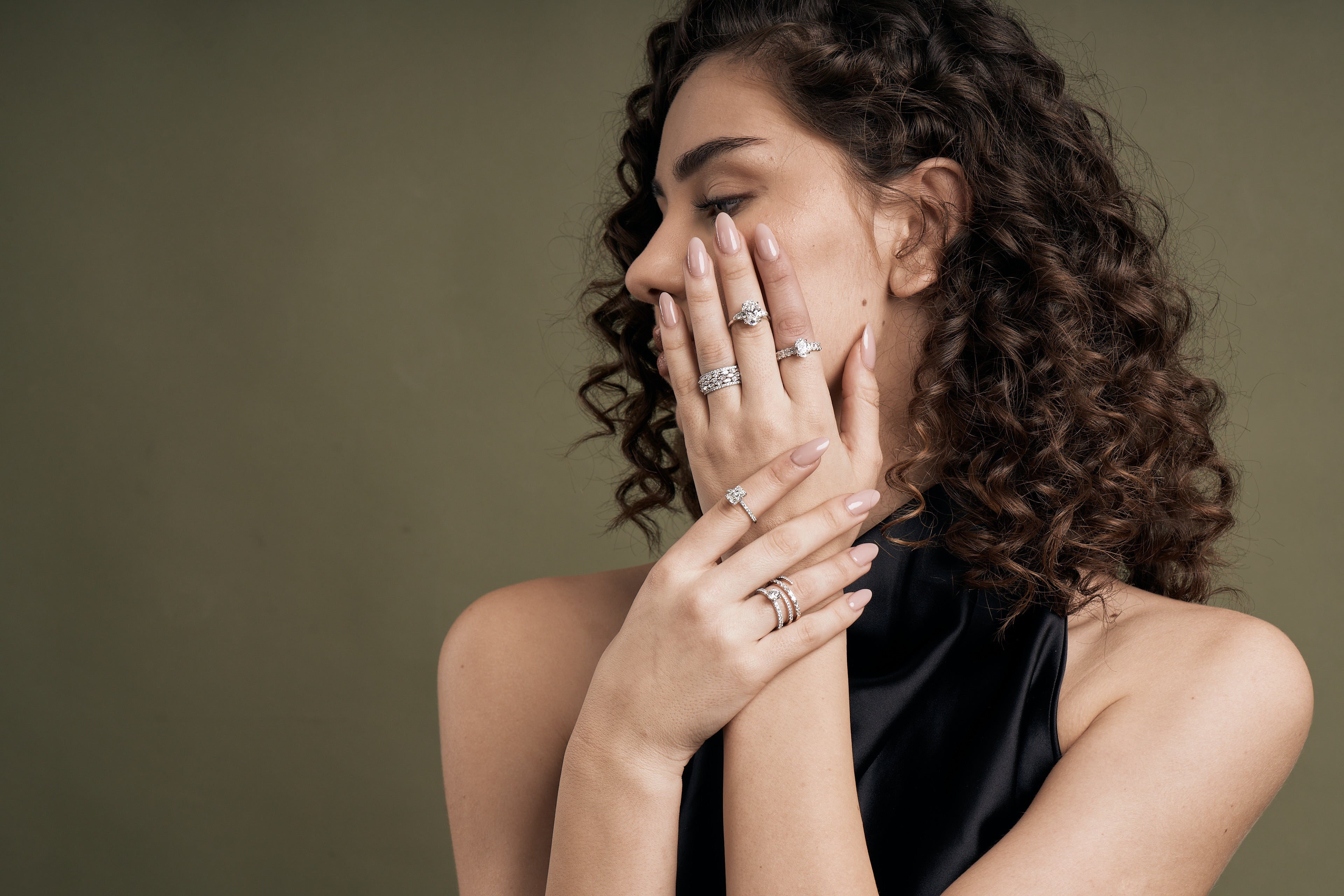
So, go for round diamonds if you want something truly traditional. Ovals are for those who prefer something soft, unique, and flattering. Pro tip: Oval diamonds do make your fingers look longer.
2. Sparkle Factor: Which One Shines More?

This is where the round brilliant cut truly excels. The 58 facets are honestly engineered for maximum brilliance, the kind of diamonds that sparkle from miles away.
If you want something subtle, though, oval diamonds might be better. Yes, they also have great brilliance and impressive sparkle, but the shine is softer, a little old money, quiet luxury.
Verdict:
-
Round = Intense, fiery sparkle
-
Oval = Elegant, stretched sparkle
3. Size Perception: Which Diamond Looks Bigger?

Here’s one of the biggest advantages of oval diamonds: they appear larger per carat than round diamonds.
Why? Oval shapes have a larger surface area, so they cover more of your finger and create the illusion of a bigger stone, even if both diamonds are the same weight.
For example:
-
A 1.5ct oval diamond will look larger than a 1.5ct round diamond.
-
It will also tend to elongate the finger, giving it a slimming effect.
Want your diamond to look bigger for less? Oval is your shape.
4. Price & Value: Which Diamond Is More Affordable?

Here’s where things get interesting and important.
Because round diamonds are in the highest demand, they’re also the most expensive per carat. They require more rough diamonds to be cut into a perfect circle, and the production loss is higher, which adds to the cost.
Oval diamonds, on the other hand:
-
Are more affordable than round diamonds of the same size and quality
-
Offer a larger face-up appearance (so you get a bigger look for less money)
At Precious Carbon, our lab-grown oval diamonds offer even more value. You can often get a 1.5–2ct oval for the price of a 1ct natural round diamond in retail stores.
5. Durability & Wearability
Diamonds are durable, mostly irrespective of the cut. So, a round diamond and oval diamond will last as long as the prong style is right.
-
Since round diamonds have zero sharp edges, they are naturally resistant to chipping.
-
Oval diamonds, however, have elongated sides, which can make them slightly more vulnerable unless protected by prongs or halos.
6. Popular Ring Styles for Round vs Oval Diamonds

Round Diamond Styles:
-
Classic Solitaire
-
Hidden Halo
-
Vintage Milgrain
-
3-Stone Round
-
Pave Band
Oval Diamond Styles:
-
East-West Oval Solitaire
-
Toi-et-Moi (Oval + Pear)
-
Floating Oval with Thin Band
-
Oval with Hidden Halo
-
Bezel-Set Oval for Minimalist Look
Both shapes work beautifully in custom or classic settings. And yes, Precious Carbon offers free custom design, so you’re not limited to what’s in stock.
7. Which Diamond Is Right for You?
Still torn between round vs oval diamonds? Here’s a quick cheat sheet:
|
Feature |
Round Diamond |
Oval Diamond |
|
Shape |
Perfect circle |
Elongated, rounded ends |
|
Sparkle |
Maximum brilliance |
Elegant, stretched sparkle |
|
Appearance |
Classic, timeless |
Modern, flattering |
|
Looks Bigger? |
No |
Yes (perceived size advantage) |
|
Price Per Carat |
Higher |
Lower |
|
Popular With |
Traditionalists, sparkle-lovers |
Trendsetters, value-seekers |
Final Thoughts
Let’s put an end to this debate once and for all. Both round and oval diamonds are timeless classics you can’t go wrong with. But ultimately, the choice is yours. If you want something traditional, a round cut is the way to go. If you prefer a little more modern design, opt for ovals.
At Precious Carbon, we believe premium diamond jewelry should be affordable, meaningful, and completely personal. That’s why we offer:
-
Lab-grown & natural diamond options
-
Free custom design (no design fees, ever)
-
Fast & free USA shipping
-
GIA & IGI certification
-
Prices up to 70% less than retail
Ready to Choose Your Diamond?
Shop Oval & Round Lab Diamonds →
Explore Round & Oval Engagement Rings →
Start Your Custom Ring →
Because the perfect diamond isn’t just about shape, it’s about what it says about you.
Frequently Asked Questions:
Q1. What is the difference between a round and oval diamond?
A round diamond is perfectly symmetrical and circular, cut with 57-58 facets specifically engineered for maximum light return and brilliance. An oval diamond has the same facet structure but in an elongated shape, which creates a larger surface area and gives the illusion of a bigger stone per carat. Round is the timeless classic choice; oval delivers a modern, finger-flattering look with more visual size for the same budget.
Q2. Does an oval diamond look bigger than a round diamond of the same carat?
Yes. An oval diamond appears noticeably larger than a round diamond of the same carat weight because its elongated shape distributes the stone's mass across a wider surface area. A 1.5ct oval diamond will typically look bigger than a 1.5ct round diamond when viewed from above. This makes the oval cut one of the most budget-efficient shapes available - you get more visual impact per dollar spent.
Q3. Which is more expensive - a round or oval diamond?
Round diamonds are more expensive per carat than oval diamonds. This is because round diamonds are the most in-demand shape globally and require cutting away more of the rough diamond to achieve a perfect circle, resulting in greater material waste. Oval diamonds and other fancy shapes typically cost 20–30% less per carat than a round of identical quality, making them a smart choice for buyers who want maximum size and quality within a set budget.
Q4. Which diamond shape is better for an engagement ring - round or oval?
The best choice depends entirely on personal style and preference. Round diamonds offer unmatched sparkle, timeless versatility, and suit virtually any setting or band style. Oval diamonds elongate the finger, appear larger than their carat weight, and carry a modern elegance that is strongly trending in 2026. If maximizing visual size and value is the priority, oval is the stronger choice; if timeless brilliance and classic style matter most, round wins.
Q5. Do oval diamonds have the bowtie effect and does it matter?
Yes, most oval diamonds show a bowtie effect, a dark shadow across the center of the stone caused by light not returning through certain facets due to the elongated shape. The degree of the bowtie varies significantly from stone to stone; a faint bowtie is acceptable and barely visible, while a strong bowtie noticeably dulls the diamond's appearance. Always review a video of any oval diamond before purchasing, and prioritize stones with an Excellent or Very Good cut grade to minimize the bowtie effect.