Cart
0

Yes, lab-grown diamonds are completely real. They share the same chemical composition (pure carbon), crystal structure, hardness (10 Mohs), and optical properties as natural diamonds. The only difference is the origin. Both are graded and certified by GIA and IGI using identical standards. No gemologist can distinguish one from the other without specialized equipment. Lab-grown diamonds are not simulants - they are diamonds, made in a lab instead of mined from the earth.
If you're considering lab-grown diamond jewelry and asking yourself are lab-grown diamonds real? You're not alone. It's one of the most searched questions in the diamond industry right now, and for good reason. The market has shifted dramatically, buyers are more informed than ever, and the confusion around what "real" actually means in this context is entirely understandable.
The short answer: yes, lab-grown diamonds are completely real.
But the full truth matters, especially when you're making a purchase this significant. At Precious Carbon, we believe informed buyers make better decisions. So let's talk facts, clearly and honestly, so you can buy with total confidence.
What Is a Lab-Grown Diamond?

A lab-grown diamond is created using a process that replicates natural diamond formation. The conditions found deep within the Earth's mantle, extreme heat and pressure, are recreated in a controlled laboratory environment. Pure carbon is the source material for both lab-grown and natural diamonds, and the resulting crystal structure is identical at the atomic level.
In simple terms:
-
Same material - pure carbon
-
Same hardness - 10 on the Mohs scale
-
Same sparkle - identical brilliance and fire
-
Same grading - certified by GIA and IGI using the same standards
The only difference is where the diamond was made. Not what it is.
Are Lab-Grown Diamonds Real Diamonds?
Yes, unambiguously and completely. Lab-grown diamonds are real diamonds in every sense that matters.
They are:
-
Chemically identical to mined diamonds - pure carbon in a cubic crystal structure
-
Physically identical - same hardness, same durability, same resistance to chipping
-
Optically identical - same brilliance, fire, and scintillation
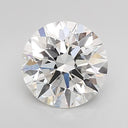
Even trained gemologists with professional equipment cannot visually distinguish a lab-grown diamond from a natural one. Specialized machinery is required to detect the difference, and that machinery is looking at microscopic growth patterns, not any difference in the diamond itself.
Lab-grown diamonds are not cubic zirconia. They are not moissanite. They are not glass or imitation stones. They are diamonds, grown in a laboratory rather than extracted from the earth.
|
Feature |
Lab-Grown Diamond |
Natural Diamond |
|
Composition |
Carbon |
Carbon |
|
Hardness |
10 (Mohs) |
10 (Mohs) |
|
Appearance |
Identical |
Identical |
|
Certification |
GIA, IGI |
GIA, IGI |
|
Origin |
Laboratory |
Earth |
|
Price |
More affordable |
Higher |
Why Do People Buy Lab-Grown Diamonds?
This is one of the most common questions around lab-grown stones, and the reasons are more varied and considered than many people expect.
Value and size. The most straightforward reason: lab-grown diamonds cost significantly less per carat than natural diamonds of equivalent quality. That saving translates directly into a better diamond, larger carat size, higher clarity, and better color, for the same budget. For buyers who want the most diamonds for their money, this is a compelling case.
Ethical sourcing. Lab-grown diamonds require no mining, no land disruption, and no community displacement. For buyers who care about the environmental and humanitarian footprint of their purchase, lab-grown diamonds offer complete peace of mind.
Modern values. A growing segment of buyers, particularly younger couples in the US, view lab-grown diamonds as the more forward-thinking choice. The technology, the transparency, and the deliberate decision-making process appeal to buyers who want their purchase to reflect their values.
Quality access. Natural diamonds at the highest clarity and color grades carry significant premiums. Lab-grown diamonds make those same quality grades accessible at prices that were previously out of reach for most buyers.
At Precious Carbon, the majority of our customers in 2026 are choosing lab-grown diamonds, not as a compromise, but as an intentional, informed decision.
How Much Cheaper Are Lab-Grown Diamonds Than Natural Diamonds?
Lab-grown diamonds typically cost 50-70% less than natural diamonds of equivalent carat weight, cut, color, and clarity grade.
To put that in practical terms:
-
A budget set for a 1-carat natural diamond can buy a 1.5–2-carat lab-grown diamond of the same quality
-
A natural diamond at VS2 clarity and G color at a given price point can be matched or exceeded in quality by a lab-grown stone at a fraction of the cost
-
Moving up a full carat size, which creates a visible, meaningful difference on the hand, often costs less in lab-grown than staying at the original size in natural
This is why so many buyers who initially planned to buy a natural diamond choose lab-grown once they understand the actual quality difference they can access for the same spend.
💡 Understanding how carat weight translates to visual size is essential before you buy. Our Diamond Carat Guide explains the relationship between weight, shape, and face-up appearance, and shows you exactly how much more diamond you get when you choose lab-grown.
Are Lab-Grown Diamonds Expensive?
Relative to natural diamonds, no. Lab-grown diamonds are significantly more affordable per carat.
However, "expensive" is relative to what you're comparing. A lab-grown diamond engagement ring from Precious Carbon starts at accessible price points and scales with carat size, cut quality, and setting complexity, just as any fine jewelry does. The difference is that your budget goes considerably further with lab-grown than it would with a natural stone.
What you are not paying for with a lab-grown diamond:
-
The geological rarity premium of a mined stone
-
The extended supply chain from mine to market
-
The markup associated with natural diamond scarcity
What you are paying for:
-
A real, certified diamond
-
Expert cutting and grading
-
A high-quality setting and craftsmanship
-
The same beauty and durability as a natural stone
Are Lab-Grown Diamonds Durable Enough for Everyday Wear?

Absolutely. Because lab-grown diamonds are chemically and physically identical to natural diamonds, they share the same hardness, durability, and resistance to wear.
They are entirely suitable for:
-
Engagement rings worn every single day
-
Wedding bands
-
Diamond stud earrings, pendants, and bracelets
A lab-grown diamond will not chip, fade, or lose its brilliance over time any faster than a natural diamond. With normal care, regular cleaning, safe storage, avoiding extreme impact, a lab-grown diamond will last a lifetime.
Do Lab-Grown Diamonds Hold Their Value?
Lab-grown diamonds are best approached as a wear-and-enjoy purchase rather than a financial investment, and this is true of most diamond jewelry, natural or lab-grown.
Natural diamonds have historically held resale value better than lab-grown diamonds, largely because of the cultural premium attached to geological rarity. Lab-grown diamond resale values are still developing as the market matures.
For the vast majority of buyers, this distinction doesn't affect their decision, because they're not buying a diamond to sell it. They're buying it to wear it, to mark a milestone, to tell a story. On those terms, a lab-grown diamond delivers everything a natural diamond does, at a price that allows more of the budget to go toward the diamond itself rather than its origin.
Frequently Asked Questions:
Are lab-grown diamonds real or fake?
Real, in every way that matters. Same chemical composition, same physical properties, same optical performance as natural diamonds. The only difference is the origin.
Why do people buy lab-grown diamonds?
For better value, ethical sourcing, quality access at accessible prices, and the ability to choose a larger or higher-quality stone for the same budget. Increasingly, buyers also choose lab-grown because it aligns with their values around sustainability and transparency.
How much cheaper are lab-grown diamonds than natural diamonds?
Typically, 50-70% less for equivalent carat, cut, color, and clarity grades. The savings can be redirected toward a larger stone, a better quality grade, or a more intricate setting.
Are lab-grown diamonds expensive?
Significantly less expensive than natural diamonds. Lab-grown diamonds make quality grades and carat sizes accessible that would cost considerably more in natural stones.
Lab-Grown Diamond Jewelry at Precious Carbon
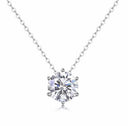
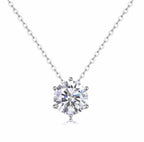
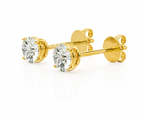
At Precious Carbon, we offer a full range of lab-grown diamond jewelry, all GIA or IGI certified, all crafted to order:
Every piece is available with our free custom design service, CAD previews, expert guidance, and no extra charges. You choose the diamond, the setting, and the details. We handle everything else.
What's included with every purchase:
-
GIA or IGI certified lab-grown diamonds
-
Free custom design - no extra fees
-
Up to 70% less than traditional jewelers
-
Free US shipping - delivery under 4 weeks
-
Lifetime resizing and warranty