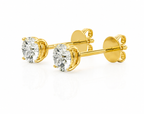
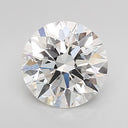
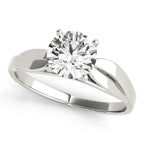
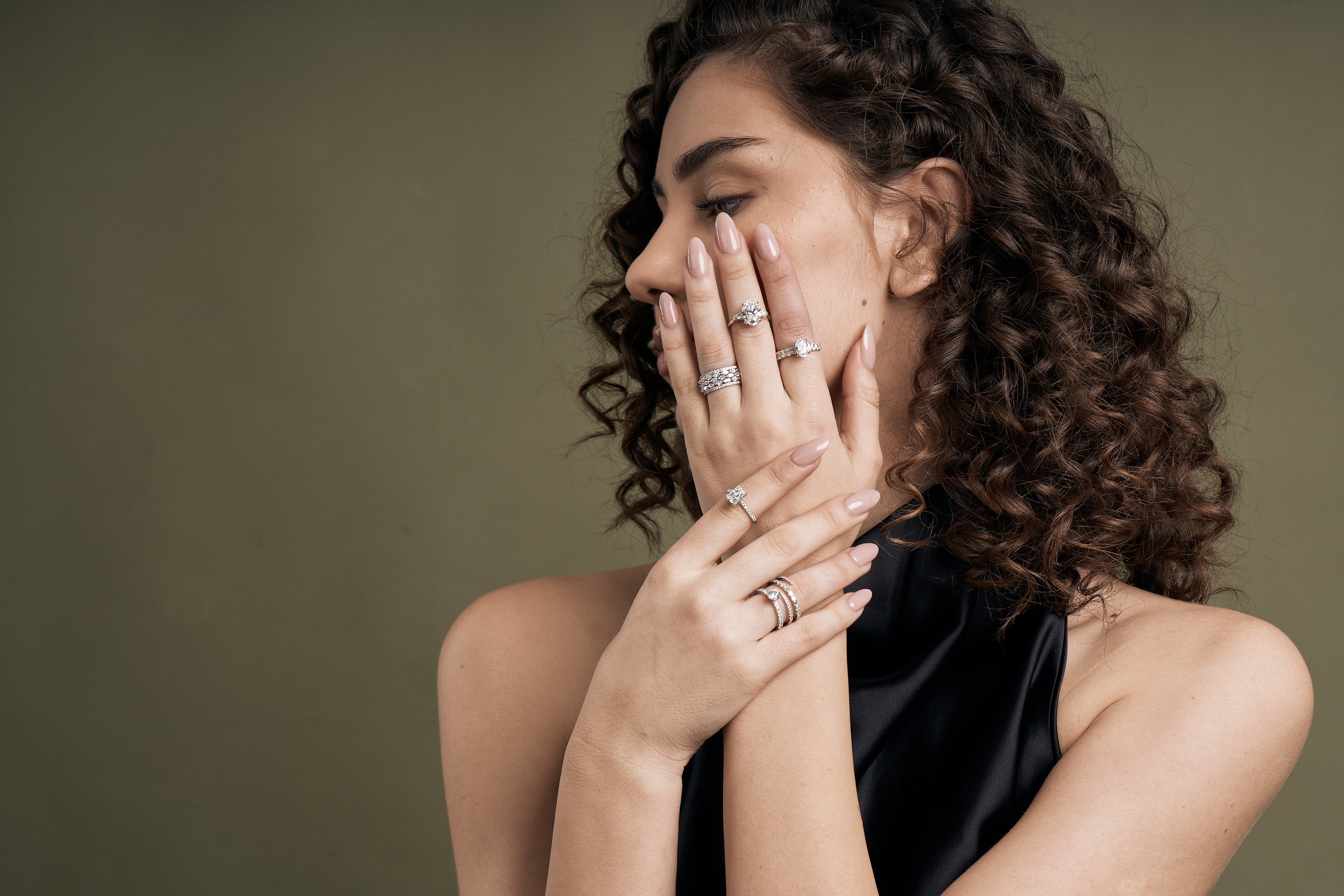
"Cut" means two different things. It's the outline, round, oval, emerald, and it's also the quality grade for how well a stone is proportioned. The different cuts of diamonds split into two families: brilliant cuts, faceted for sparkle, and step cuts, faceted for broad flashes of light. Ten shapes cover almost everything sold.
Diamond cut vs diamond shape

The words get used interchangeably, which causes most of the confusion about the different cuts of diamonds.
-
Diamond shape is the main outline: Round, oval, pear, emerald. It's geometry, and it's the first thing anyone notices.
-
Cut is the workmanship, proportions, symmetry, polish: A stone graded Excellent returns far more light than the same shape graded Fair. Cut is the only one of the 4Cs that depends on human skill rather than how the diamond formed.
-
Then names like "princess cut" and "emerald cut" muddle it further by using cut to mean shape.
Here's the part worth knowing: IGI and GIA only issue an overall cut grade for round brilliants. Every other shape gets polish and symmetry grades, but no cut grade at all. So on a fancy shape you can't read the quality of the report, you judge it by length-to-width ratio, symmetry, and watching the video. Our lab grown diamond cut guide covers the grading scale in full.
All diamond shapes explained
|
Shape
|
Family
|
How it reads
|
Best for
|
|
Round
|
Brilliant
|
Maximum sparkle, never dated
|
Anyone unsure
|
|
Oval
|
Brilliant
|
Elongates the finger, looks large
|
Size per carat
|
|
Princess
|
Brilliant
|
Sharp square, modern
|
Geometric taste
|
|
Cushion
|
Brilliant
|
Soft pillow outline, strong fire
|
Vintage warmth
|
|
Emerald
|
Step
|
Long clean flashes, understated
|
Restrained elegance
|
|
Asscher
|
Step
|
Square, hall-of-mirrors depth
|
Art Deco
|
|
Radiant
|
Brilliant
|
Emerald outline, brilliant sparkle
|
Both at once
|
|
Pear
|
Brilliant
|
Teardrop, distinctive
|
Standing out
|
|
Marquise
|
Brilliant
|
Longest outline of any shape
|
Maximum spread
|
|
Heart
|
Brilliant
|
Romantic, needs sharp symmetry
|
1ct and above
|
Among the different cuts of diamonds, round accounts for roughly half of all lab produced diamond rings. Our round cut guide goes deeper on everything about the shape.
Which shape looks the biggest per carat?
Carat measures weight, not width. Among the different cuts of diamonds, two stones at identical weight can look markedly different from above, because a shallow, elongated outline puts more of its mass where you can see it. At 1 carat, roughly:
|
Shape
|
Dimensions
|
Spread
|
|
Marquise
|
10.0 × 5.0mm
|
Largest
|
|
Pear
|
8.5 × 5.5mm
|
Very large
|
|
Oval
|
7.7 × 5.7mm
|
Large
|
|
Emerald
|
7.0 × 5.0mm
|
Above average
|
|
Round
|
6.5mm
|
The benchmark
|
|
Radiant
|
6.0 × 5.0mm
|
Below average
|
|
Princess, Cushion, Asscher
|
5.5 × 5.5mm
|
Smallest face-up
|
A marquise is over 50% longer than a round at identical weight. If size is the priority, shape moves it more than carat does, a 1.5 carat marquise covers more fingers than a 2 carat princess.
Which shape hides inclusions and color best?

These pull in opposite directions, which is why no single rule covers the different cuts of real diamonds on both counts.
-
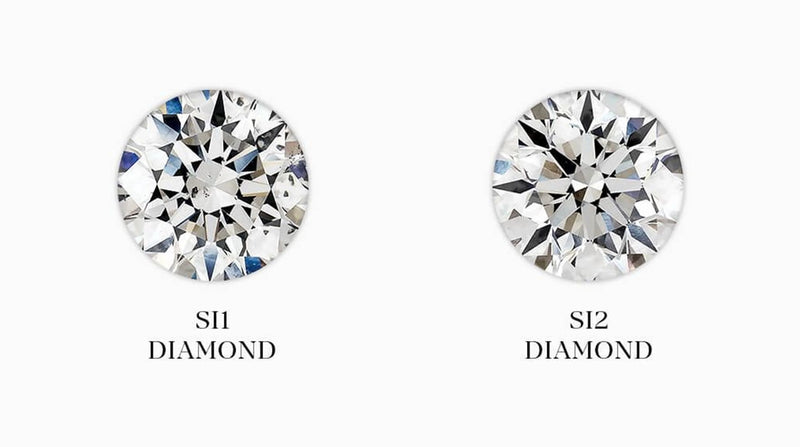
For inclusions, brilliant cuts win: Dense faceting scatters light and breaks up the view, so small inclusions disappear. SI1 is usually eye-clean in a round, oval, cushion or radiant. Step cuts, emerald and asscher, have wide open facets and nowhere to hide: budget VS2 or better there.
-
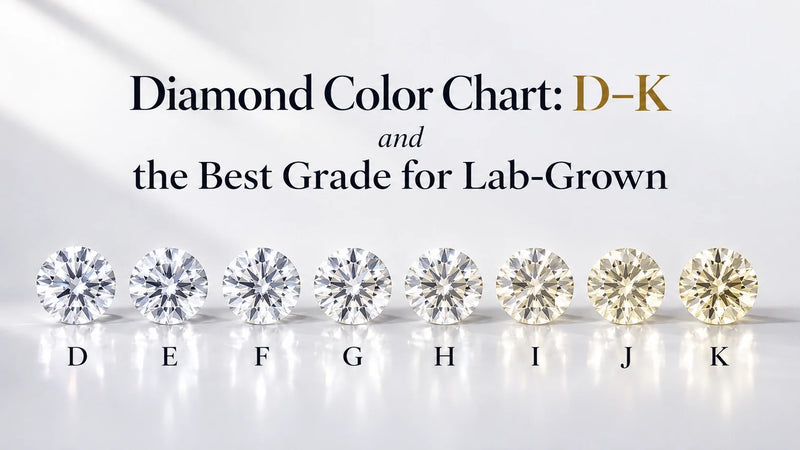
For color, it's nearly reversed: Brilliant faceting concentrates body tint, so warmth gathers and shows. Radiant is the strongest example, it's why the shape is favored for fancy colored diamonds. On a white stone, go a grade higher on radiants and ovals than you would on a round.
-
Elongated shapes add a third thing to check: tint pools at the points, look at the tip of a pear or marquise, not the middle.
How to choose the right cut
With ten shapes in play, work through the different cuts of diamonds in this order:
-
Start with her jewelry: Angular pieces suggest princess, emerald or asscher. Softer, flowing styles suggest oval, cushion or pear.
-
Decide what matters most: Sparkle points to round. Visible size points to oval or marquise. Something distinctive points to pear or heart.
-
Check the ratio, not just the shape: Oval 1.35–1.50, emerald 1.30–1.50, marquise 1.85–2.10. A bad ratio ruins a good shape.
-
Match the setting: Pointed shapes need a V-prong. Step cuts suit vintage and three-stone designs.
Price varies by shape too, more than most guides admit. In current stock, five 3 carat stones all graded G color with VVS2 clarity run from $873 for an emerald to $870-$1400 for a princess, with round at $800-$1200 in between. The common claim that every fancy shape undercuts the round doesn't hold up against real inventory.
It’s time to see all ten shapes side by side in our diamond shape guide, or browse lab-grown diamonds by shape, IGI or GIA certified, free shipping and 30-day returns. New here? Compare lab grown vs natural diamond, check whether lab grown diamonds are real, or see our diamond jewelry.
FAQs
What's the most popular diamond shape?
Round, by a wide margin, roughly half of all engagement rings. Oval is second and has grown fastest over the last decade.
Which diamond shape looks the biggest?
Marquise, then pear, then oval. All three spread their weight across a longer outline instead of hiding it in depth.
What's the cheapest diamond shape?
Step cuts, usually. Emerald and asscher waste less rough in cutting, and they're the lowest-priced shapes in our own stock at matching grades.
Do fancy shapes get a cut grade on the report?
No. IGI and GIA grade overall cut for round brilliants only. Fancy shapes show polish and symmetry, so judge quality from ratio and video.
Which shape is hardest to find well cut?
Heart, then marquise. Both depend on symmetry a grading report doesn't measure, so a poorly cut one is obvious while a good one is scarce.
Does shape affect durability?
Yes. Pointed shapes, pear, marquise, heart, have thin tips that can chip without a V-prong. Rounds, ovals and cushions have no vulnerable points.

 Moissanite Pendant
1 Carat round Moissanite Pendant in 925 Silver with Chain
Spend $1,000+