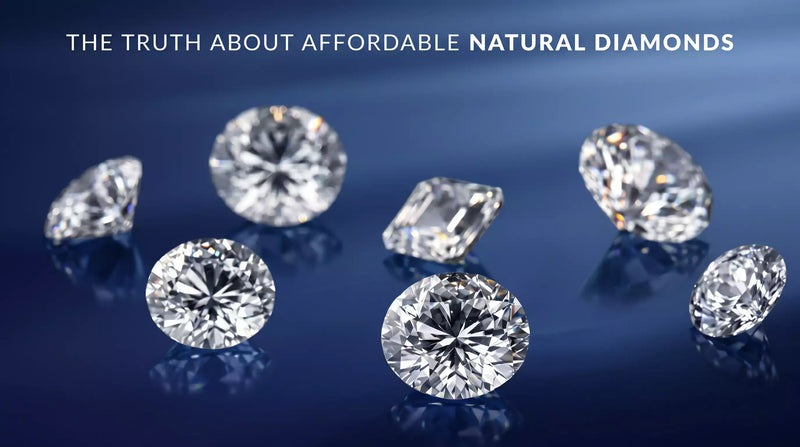
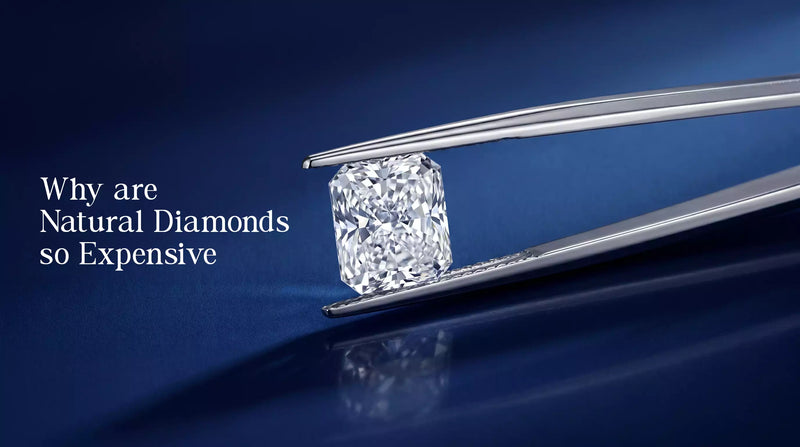
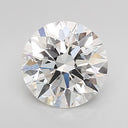
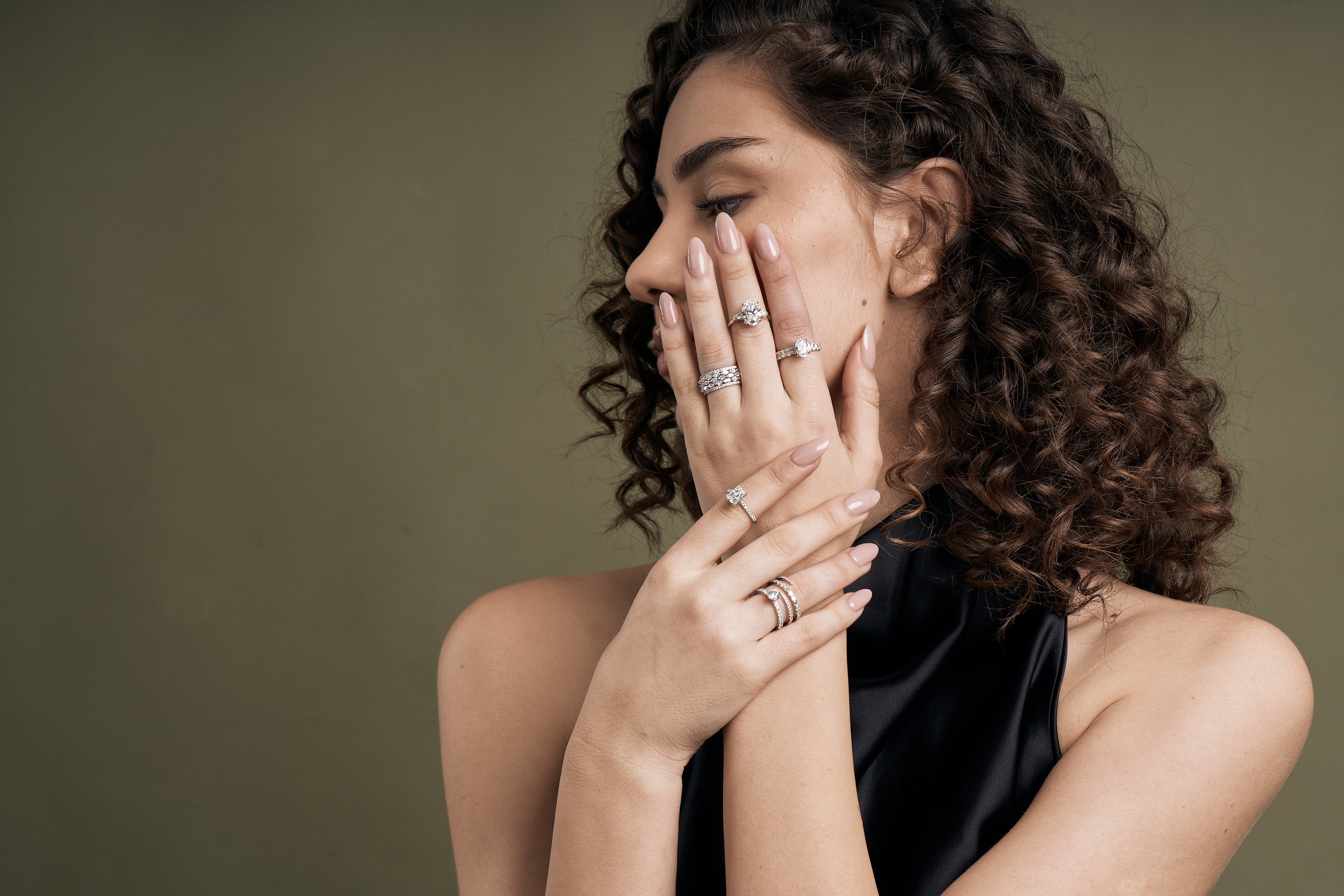
Natural pear diamonds combine round and marquise to form an elongating teardrop. They are less expensive at Precious Carbon than at high-street jewelers. This form has the heritage and uniqueness of a mined stone with more long-term resale value than lab-grown, and are GIA certified, conflict-free, and ethically sourced.
What Is Pear Natural Diamond?
A teardrop-shaped mined stone that tapers to a single point at one end and is rounded at the other. Half marquise, half round.
The extended shape stretches across the finger, and the dazzling cut makes it gleam like a round. That shape is supported by a documented supply chain and a billion-year development history in a natural pear diamond.
Which Way Does a Pear Point?
Convention puts the point toward the hand, away from the body, that's how most pear rings are set and worn.
East-west settings run it sideways, some wearers adjust the tip toward the wrist, and nothing compels it. It's not a rule; it's a desire.
Do Pear-Shaped Natural Diamonds Hold Their Value?
Genuine scarcity is the foundation of their value, and it's important to define it precisely.
Geologically speaking, diamond rough is limited; no more is produced on any significant timeline. In contrast, the sole restriction on lab-grown supply is reactor capacity, which is why natural costs have remained far more stable over the past five years while lab prices have dropped by almost 50%.
That's the real argument. Not that a pear will appreciate, but that a mined stone's supply can't be increased to meet demand, and a manufactured one's can.
As a fancy shape, a pear still resells at a wider spread than a round. Scarcity supports the floor; it doesn't create a market.
GIA Certification & Ethical Sourcing of Pear Natural Diamonds
GIA certification always rates the stone. An independent laboratory evaluates the 4Cs and laser-engraves a report number on the girdle, making grading and diamond permanently connected. It tells you what you're buying.
The Kimberley Process governs where it came from. It's an international scheme, agreed by governments, industry and civil society, that requires rough diamonds to travel in sealed containers with certificates of origin, designed to keep conflict diamonds out of the legitimate trade. It tells you the stone's history is documented.
Every pear shaped natural diamond here carries both. On a mined stone, provenance is the product.
Pear-Shaped Natural Diamonds at Precious Carbon
Twenty years of wholesale supply preceded any of this reaching the public, which is why these sit below high-street pricing.
All are 4Cs graded, shipped free, and returnable for 30 days. Comparing origins? The lab-grown collection runs alongside this one, and the diamond shape guide sets the cuts side by side.

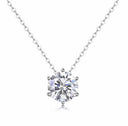 Moissanite Pendant
1 Carat round Moissanite Pendant in 925 Silver with Chain
Spend $1,000+