Cart
0

Diamonds, often termed as a symbol of eternal love and luxury, have captivated human fascination for centuries. From ancient civilizations to modern-day engagements, diamonds have held a prestigious place in society. But have you ever pondered why these glittering gems come with such a hefty price tag?
We all know the feeling. You walk into a jewelry store, mesmerized by the glittering display cases, but a quick glance at the price tags sends you scrambling for the exit. Diamonds can feel unapproachable, shrouded in mystery and a seemingly inflated price. But what if we told you there’s more to the story?
In this blog, we’ll uncover the factors that contribute to their cost, from the grueling mining process to the ever-shifting tides of market demand. By the end, you might just see natural diamonds in a whole new light – a symbol of love, luxury, and maybe even a touch of adventure!
Brief Overview of the Diamond Industry
The diamond industry is a multi-billion-dollar giant, encompassing several stages, from mining the rough stones to selling the polished gems. A few key players dominate this industry, controlling a significant chunk of the market. These companies can influence not only the supply of diamonds but also the demand, impacting their price.
The diamond industry is experiencing exciting positive trends. Data shows a strong recovery in the second half of 2021 (H2-2021) and continuing into 2022. This positive outlook is fueled by several factors:
- Strong Demand for Rough Diamonds: Demand for natural rough diamonds, the unpolished stones extracted from mines, is expected to remain high throughout H2-2021 and into 2022.
- India’s Growing Midstream Activity: Net rough diamond imports into India, a major diamond processing center, grew over 190% year-on-year in the first half of 2021 (H1-2021). This significant increase indicates a strong recovery within the midstream sector, which had been operating with lower inventory levels during the COVID-19 pandemic.
The COVID-19 pandemic significantly impacted the diamond industry, but it also accelerated a transformation that was already underway.
Diamond’s Historical Significance and Rarity
Diamonds have captivated humanity for millennia. Ancient texts from 4th century BC India mention their use as trade items, and historical accounts from Julius Caesar’s Roman Empire detail their use for jewelry and engraving tools. Their association with wealth and status blossomed throughout history, with royalty and nobility across cultures adorning themselves with these precious stones.
Natural diamonds are indeed rare, but the story goes beyond simple scarcity.
Geologists estimate that only about 1 in 100 million tons of mined rock will actually contain diamonds. However, most of these stones are not gem-quality. The truly exceptional diamonds, coveted for their size (over 0.5 carats), flawless clarity, and colorless brilliance, are incredibly uncommon.
To illustrate this rarity, consider that less than 1% of all mined diamonds qualify as gem-quality. This exceptional rarity, combined with its historical association with luxury and enduring love, fuels the diamond’s enduring value and high price tag.
If Diamonds Aren’t Rare, Then Why Are They So Expensive?
Contrary to popular belief, the expense of natural diamonds cannot be solely attributed to their scarcity. Rather, it is a culmination of various factors, beginning with the laborious and costly mining process.
Difficult and Costly Mining Process
Extracting diamonds is an arduous and expensive undertaking. Here’s a breakdown of why mining significantly adds to the cost:
- Deep Dives: Diamonds form under extreme pressure and heat, deep within the Earth’s mantle, sometimes kilometers underground. Reaching these depths requires specialized equipment and highly skilled labor, both of which come at a premium.
- Sifting Through Tons of Rock: On average, miners need to process a staggering 250 tons of rock to unearth a single one-carat diamond of gem quality. This translates to a massive amount of time, effort, and resources dedicated to finding just one valuable stone.
- Environmental Impact: Diamond mining can have a significant environmental impact, including land degradation, water pollution, and habitat destruction. Responsible mining practices that address these concerns add to the overall cost of production.
Data Spotlight: The Hidden Costs of Mining
- A study by the National Geographic Society estimates that it can take 250 tons of rock to produce a single one-carat diamond!
- Research by the World Bank suggests that the environmental cost of mining a single carat of diamond can range from $400 to $7,000, depending on the location and mining practices.
Market Demand and Trends
The demand for natural diamonds, driven by cultural norms and societal expectations, significantly influences their pricing. Despite fluctuations in consumer preferences and economic conditions, diamonds remain a coveted commodity, further bolstering their market value.
The 4Cs of Diamond Quality
Not all natural diamonds are created equal. Even among gem-quality stones, a diamond’s brilliance, fire (play of colors), and overall beauty are determined by four key factors, often referred to as the “4 cs of diamonds“:
-
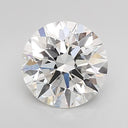
Cut: This refers to the way a diamond’s facets are proportioned and angled. A well-cut diamond maximizes light refraction, creating the signature sparkle and brilliance we associate with diamonds. Cutting a natural rough diamond into a beautiful gem requires a skilled artisan and can significantly impact the final value.
-
Color: While most diamonds have a slight yellowish tint, truly colorless diamonds are exceptionally rare and valuable. The Gemological Institute of America (GIA) has a color grading scale that goes from D (colorless) to Z (light yellow). The closer a diamond is to D on the scale, the more expensive it becomes.
-
Clarity: Tiny internal flaws or blemishes can affect a diamond’s brilliance. Flawless diamonds (internally flawless or internally slightly flawed) are the rarest and most expensive. Diamonds with minor inclusions, visible only under magnification, are still considered valuable but at a lower price point.
- Carat Weight: This refers to the physical weight of the diamond. Larger diamonds are naturally rarer and more expensive, but carat weight alone doesn’t determine value. A well-cut, colorless diamond with good clarity will always be more valuable than a larger diamond with significant flaws or a poor cut.
Conclusion
Are natural diamonds really worth their weight in gold?
As we understand the complexities of the diamond industry, one question remains: What defines the value of a diamond?
While scarcity undoubtedly plays a role, it is not the sole determinant of price. Factors such as craftsmanship, brand reputation, and market demand also influence the cost of diamonds.
In a market saturated with high-priced brands, it’s essential to prioritize value over vanity. At Precious Carbon, we understand the significance of finding the perfect diamond without breaking the bank. Our extensive collection of exquisite diamonds and customizable settings ensures that you’ll find a stunning piece to cherish forever.
So, whether you’re planning a life-changing proposal or simply treating yourself to a timeless piece, let us be your guide in the world of natural diamonds.
Contact us today, and we can help you find a diamond that reflects your style and budget, making your special occasion truly unforgettable.
Frequently Asked Questions:
Q1. Why are natural diamonds so expensive?
Natural diamonds are expensive due to a combination of geological rarity, extremely costly mining operations, a long and complex supply chain with multiple layers of markup, and decades of marketing that have embedded diamonds as the definitive symbol of love and commitment. Mining a single gem-quality diamond requires processing hundreds of tonnes of rock, and only a fraction of mined diamonds meet the quality standards required for fine jewelry. This extraction cost alone, before polishing, grading, wholesale, and retail, significantly drives up the final price.
Q2. Are natural diamonds expensive because they are rare?
Natural diamonds are rare in the gem-quality sense, but not in absolute abundance - millions of carats are mined each year. The real scarcity is in diamonds that meet the combination of size, color, clarity, and cut required for high-quality jewelry. Truly exceptional stones, colorless, flawless, or over 2 carats, are genuinely rare. However, market pricing is also influenced by supply control, concentrated industry ownership, and sustained consumer demand cultivated through decades of advertising, which together maintain prices well above what pure geological scarcity alone would justify.
Q3. Why do natural diamonds cost so much more than lab-grown diamonds if they look the same?
Natural diamonds cost more because their supply is finite, geologically constrained, and expensive to extract, whereas lab-grown diamonds can be produced in a matter of weeks at a fraction of the cost using advanced technology. The production cost gap is significant: a 1ct lab-grown diamond can be grown for a few hundred dollars in energy and materials, while a 1ct natural diamond requires mining, sorting, cutting, and distributing a stone formed over billions of years. The price premium for natural diamonds reflects rarity, heritage, and long-term value rather than any visual or physical difference.
Q4. Does the price of natural diamonds go up over time?
High-quality natural diamonds, particularly larger stones (1ct+) with strong color, clarity, and cut grades, have generally held and appreciated in value over long time horizons. However, prices are not guaranteed to rise and can be influenced by economic conditions, changing consumer preferences (particularly the growing popularity of lab-grown diamonds), and shifts in mining output. The strongest value appreciation has historically been seen in fancy colored diamonds (pink, blue, vivid yellow) and investment-grade stones with GIA documentation. Standard retail diamonds are not a short-term investment.
Q5. How can I buy a natural diamond without paying an inflated price?
The most effective ways to avoid paying an inflated natural diamond price are: buying from an online jeweler that removes retail overhead and middlemen (prices are typically 30-50% lower than high-street jewelers for the same certified stone), choosing a fancy shape instead of round brilliant (20-30% less per carat for equivalent quality), buying just below carat milestones (0.90ct vs 1ct saves 15-20%), and selecting G-H color with VS2–SI1 clarity instead of premium top grades that are indistinguishable to the naked eye. All natural diamonds at Precious Carbon are GIA certified and priced below traditional US retail.